Monday, 16 November 2015

Should we call coywolves a new species?


Lately there has been a lot of media attention towards the coywolf and what it means as a species. For those of you who don't know coywolves are canids which can be found in the East Coast of the U.S.A. They are believed to be part coyote and part wolf(whether it's red, grey or eastern is up to the location) and sometimes with a splice of dog in there. These animals are of a much broader build than coyotes are and often form larger packs like wolves. However they look more like coyotes and tend to thrive even in urban environments like coyotes do.  Coywolves present an interesting challenge to biologists as the scientific community isn't sure whether to call it a new species or remain classified as a hybrid.

The point is does it really matter? Not to the animals that's for sure but to us it should. Animals like prizzlies(grizzly and polar bear mix) and coywolves just started appearing more and more frequently and the media isn't doing them any favours. They are often described as "ultra predators","a new breed of predator"and other sort of sensational words used to stir up the audience. This is the problem right here. While science is trying to understand whether these animals are unique or have shown up in the past before, the media is scaring people. Instead of leading a debate as to whether human activities have caused these hybrids or whether these hybrids were meant to appear naturally, the media and certain scientists are all about classifying them.

While this may be important for legislation and conservation, I feel that humans are missing the bigger picture. Those of us with some knowledge in evolution will know that favourable traits are selected for. So is it completely strange that these coywolves are just coyotes which are selecting favourable traits from hybrid ancestors? Is it too hard to believe that red and silka deer breed to form a more agile deer that is also stronger?

I suppose the reason why the people are challenged with the idea of superior "hybrids"is the fact that this is an instance of viewing survival of the fittest with our own eyes. Human activities have cause a much more disturbed environment and thus animals have been forced to adapt faster or die out. Pizzles can hunt in a longer range and can eat berries as well as meat. Some pizzles get the best of both grizzles and polar bears. The same goes with the coywolves. Of course some others will get the worse traits and die out. But the idea that these animals are evolving and adapting right before our eyes is newfound and indeed has caused some to label these animals as new species instead of acknowledging that these could be the very species they knew 20-30 years ago and that they are now adapting to a different world.\

And it's a scary thought to acknowledge because we have all been taught that evolution is a process that spans over hundreds, thousands and millions of years but instead is now happening in front of our eyes. Polar bears are losing range, the ice caps are melting, the Northern regions are getting warmer. All of these are factors as to why grizzlis started heading north and polar bears south.  How can all these reasons have happened in the past century or so? Well that's the scary answer my friends. It's us. Instead of focusing on why these animals are changing and adapting, we seek to label them as a new breed of mega predators and hold debates as to whether or not they are a new species. Instead of identifying that the reason coyotes breed with wolves in the first place is because we shot wolves to oblivion and thus limited their mating options, we seek to see these animals as a newly found threat caused by unknown reasons.

To conclude my post, these animals probably aren't a new species but rather one that is adapting to become a new species. The reasons why this is happening should be entirely on us and we should understand that and change our own ways.

Wednesday, 28 October 2015

Wolf Watching tips


Today I am happy to respond to two emails send to me by two different people around the world. I've placed the emails but omitted the names for security. Both emails are about wolf watching and any tips I can offer.

"Hi Pete,
I live in East Washigton state, close to the Strawberry and Ni'icn territories. I've been living here for about three years now and although I have heard wolves and seen evidence of wolves but never actually seen one. I've been in the woods a few times but to no avail. Any tips to see them?"

"Dear blogger,
I am writing to say that I enjoy your blog and particularly your nice words about wolves. I just moved to Brandeburg in Germany and the locals here say that the forests near my house have wolves in them. I went walking a few times and I haven't seen any,nor have I heard any. One of the locals uses the same path I do and has seen wolves two different times. Any tips on how to see any?"

So first things first, I've never seen a wild wolf before. It's sad but I was never given the opportunity(never lived in a country with wild wolves) but I hope to rectify that soon by going wolf watching. I can however provide a few tips I've heard from other wolf watchers as well as from a behavioural point of view. I wish a good luck to you both and if you can snap a picture then send me one. I'd love to see it.

The main thing you should know is that wolves are early risers. So if you want to see wolves you gotta be out there early. And I do mean early. Like 4-5 am depending on the sunlight. This is usually the best time to catch a glimpse of them as they tend to be active at dusk and dawn. During noon they tend to rest.

Another thing is to learn about rendezvous points or identify areas of high traffic. Usually areas with wolf scat(poop) or pee as well as highly used areas(you can usually identify those by the frequency of tracks) are your best bet. Make sure you situate yourself downstream(to avoid them picking up on your scent), keep a respectable distance(about 100-300 feet/50-100m)  and try and make yourself as less obvious as possible. Be patient. An encounter could take days but wolves are creatures of habit. If they use a route you can bet they will use it again. Stalk it and you just might see it.

Observing other wildlife and signs is actually a good bet itself too. If you happen to find a deer carcass that has been partially eaten or a den then make a note of it and stalk it from a distance. The key word is distance. If you are hoping for a really close encounter then I wouldn't recommend that.  Following ravens to carcasses is also a good idea as wolves and ravens tend to hang out together.

Make sure you don't make your presence known. Wolves are naturally scared and cautious of humans so making noise, moving around and other stuff that reveal your presence, can be detrimental to your wolf watching. Don't try and catch their attention by yelling and so forth. Rather just be silent and watch.

Ideally if you are going wolf watching, finding experienced wolf watchers will definitely help a lot. Locals who have experience with the packs, their behaviours and where they hang out is a good way to figure out where to look. Sometimes government organisations and researchers will provide you with the location of radio collared wolves and that can help.

Hopefully these tips will help out


Wednesday, 14 October 2015

Cool Wolf Facts


t's Wolf Awareness Week so I decided to write down some facts about wolves that make them extremely cool and badass.


1)Wolves can travel from up to 60 miles(96 km) over a single night.

2)They can maintain the speed of 40 mph/64kmh for over 10 miles/16 km.

3)Wolves can pick weak or sick animals from a herd. Animals which seem completely healthy have been killed by wolves. When given an autopsy, the prey seemed to be sick or full of parasites.

4)Wolf bites have a bite force of 406 PSI(that means it can shatter bones in two bites)

5)Although not renown for their stealth, there have been recorded incidents of wolves lying down waiting for prey to be driven towards them. This sort of behaviour has been recorded in the Elsmere Islands by tundra wolves and Mongolian wolves in the Steppes.

6)Wolves have adopted a technique of getting rid of fleas which involves holding on to a stick and submerging themselves underwater.The fleas all jump on the stick which the wolf then lets go.

Tuesday, 6 October 2015

Don't interfere with wildlife


I really don't like ranting posts. I feel like I am preaching and I sound snobbish but I can't help not to. In response to this news article I just want to say not to mess with nature. Picking up wildlife and saving wildlife in particular is a risky risky business.

First of all, you may end up hurting the animal instead of saving it. In the case of the news above, the girl saved a tortoise by dropping it in the water. Problem is that some tortoises can't swim and she may have just drowned it. In other cases, helping baby animals may actually affect their life. Some baby birds drop from their nests and their mother pick them up. That's how they learn how to fly.  Some animals leave their young for a while to go foraging for food. So while you are walking around, you may encounter a nest of young and think they are abandoned and deprive the young of their mom.

Secondly, it may be dangerous for you. There are countless videos and reports of people being attacked by animals which were either injured, cornered or had their young threatened. Nature is unpredictable that way and it may just be that you are endangering your life. Another unseen threat is diseases. People who have rescued stranded dolphins or wounded animals have been known to contract diseases from those mammals. So you may actually hurt yourself or your pets/animals you love.

So what should you do? The best course of action is to let an official know. If you have phone signal, call the local authorities for wildlife in the area and let them know. They will handle it as they see fit. In some cases you may be asked to leave the animals alone. It may seem cruel and evil but it may ultimately be for their own good. If you are worried about the stance of your local authorities then contacting an NGO or non profit organisation may be a good idea. If they give you a similar response then follow their instructions.

If you aren't in an area with phone reception then the best course of action is to leave the animals alone. If an animal is visibly injured, mark the location and return to a place where you can contact the authorities. Keep in mind that if that animal is a herbivore you may be messing with some predator's  meal and be on your guard.  Never approach the animal because cornered and injured animals can deal out some serious damage. In case of marine strandings, call the authorities as soon as possible and they will let you know how to deal with it. Don't try putting it back in the water as you may hurt it, and don't try keeping it wet as you may induce shock. Usually the person at the end of the line is capable to guide through some basic stuff that you can do while the professionals arrive.

What happens if you are too far away to get help? That is all up to you and your ethics.  However assessing the situation, being smart and levelheaded as well as realistic should be your first instincts and never put yourself in danger or situations you can't handle.

In conclusion, nature and wildlife have a way of dealing with situations themselves. If you are worried then contacting the authorities before acting is always the best plan and remember that even animals you are rescued/have rescued can hurt you so always be aware.

Friday, 18 September 2015

Human/Wildlife conflict


Human/Wildlife conflict is an issue that seems to be arising more and more in Conservation Sciences. It basically boils down to the issue that certain wildlife(not just predators mind you) cause destruction in human settled areas and the humans in return seek justice/retaliate etc.
The main issue that should be identified here is the fact that wildlife isn't doing anything it's not suppose to. Wolves will kill livestock, elephants will attack something that scares them and dolphins will steal fish from a net. These are things you can expect from nature. So the essential of the conflicts boils down to conservations vs stakeholders instead of the animals.

So really one of the current problems faced in one of these conflicts is how to best solve them in order for it to be a win win situation. If you make it illegal to retaliate, usually you need to crack down on those laws and as it's common with wildlife crimes, it's hard to do. One of the sayings that anti-wolf people use is "Shoot, Shovel and Shut up". Essentially meaning kill the wolf(and endangered species), hide the body and just don't tell anyone about it. This is a sentiment that is widely shared with many people across the globe. Especially those who live in poverty areas where the difference between selling 10 livestock or 15 could be the difference between starving or eating.
So really who can blame them? A farmer in India that loses livestock to predators has a right to be angry at the animal as well as the conservationists.

So let's focus on the win-win situation. How would we make it work? First of all a compensation scheme or an insurance scheme always seem to be a good idea. Making sure that people get their money from the death of a livestock seems to reduce the anger. However for most people it's not enough. A cow may be worth $500 in paper but to a farmer it may be worth more. Also the stress of being predated on causes cows to miscarriage, less yield etc. So monetary compensation shouldn't be enough.

One of my favorite ideas is the predator friendly meat. Several ranchers in the U.S.A have set up a co-op of farms that essentially ensure that no predators are harmed for their products.That makes sure that wolves, coyotes, raptors and other carnivores are not killed in case of depredation or moved. It's a great idea that ensures that consumers can support the cause if they wish.

Another one is a model from the above. Introducing products produced from predator friendly areas is a great way to provide an extra source of impact. For example snow leopard products help locals associate snow leopards with monetary benefits and provide them with an extra source of income that could help onset the costs of having snow leopards around.

Each case is unique and each one has it's own solution. From text messages to save people from being attacked by elephants to encouraging guarding dogs each site can have a win win situation if they are willing to reach a common ground. And in order to promote coexistence we really should.

Saturday, 22 August 2015

Welcome Shasta pack!


When I was originally writing this, wolves were still not a thing in California. Apart from 0R7, there have been reports of another wolf sighting in July but nothing else. Right now, California has welcomed wolves back into it’s beautiful northern part. California Fish and Wildlife officials have found pictures of at least two adults and five pups. The pack has been officially called the Shasta Pack and this is beautiful news indeed.  It just goes on to show that effective wolf management can go a long way to help species recovery.  But it’s an uphill battle from now on in California and I wanted to just write some advice on how to properly manage wolves in order to achieve a beautiful balance in your state.
1)      Don’t panic: Wolves are not man eater or man hunters by nature. The beautiful Mt.Shasta landscapes are not dangerous because of wolves. Wolves will often shy away from humans so you are safe. If you have a dog with you, make sure they are on a leash and that they don’t wander off too much from you. Keep a noise making device to scare off wolves in case they attack your dog. However given the fact that it’s just eight wolves, it is highly unlikely that this will be the case. States which have hundreds of wolves only get 1-2 dog fatalities a year and usually it’s from dogs allowed to roam.
2)      It’s just eight wolves: It’s a small pack in a vast wilderness. As of now, there is no reason to worry about livestock or human conflict. The only thing I can see driving them to hunt livestock is fire(that would move them from their territory) or lack of food(which is unlikely).
3)      Listen to the science: Please. This one is important. If Californians want to coexist with wolves, listening to science is pretty much a given. Oregon has been doing very well so far, with the wolf numbers increasing, non-lethal measures in place as well as proper compensation in case of livestock depredation.
4)      Keep your livestock in check. If you happen to live anywhere near the Shasta pack’s territory, then it’s a good idea to keep a better eye on your livestock and consider non-lethal methods. It’s highly unlikely that your livestock will be predated but you want to avoid it as much as possible.
5)      Cherish what you have. Wolves haven’t been in California for about 90 years. Now they have returned. If you are interested then keep track of them and make sure people understand that the wolves returning is a good thing.

Enjoy California and please be environmentally responsible. I will try and get myself more involved with the Shasta Pack and I will keep you updated.

Monday, 17 August 2015

Leave your face out of nature


In case you haven’t heard, there has been an increase in injuries in Yellowstone NationalPark this year. Who causes theses injuries? Is it bears? Is it wolves? Is it mountain lions? Well technically it’s bison but it’s all the tourists’ fault and let me tell you why.

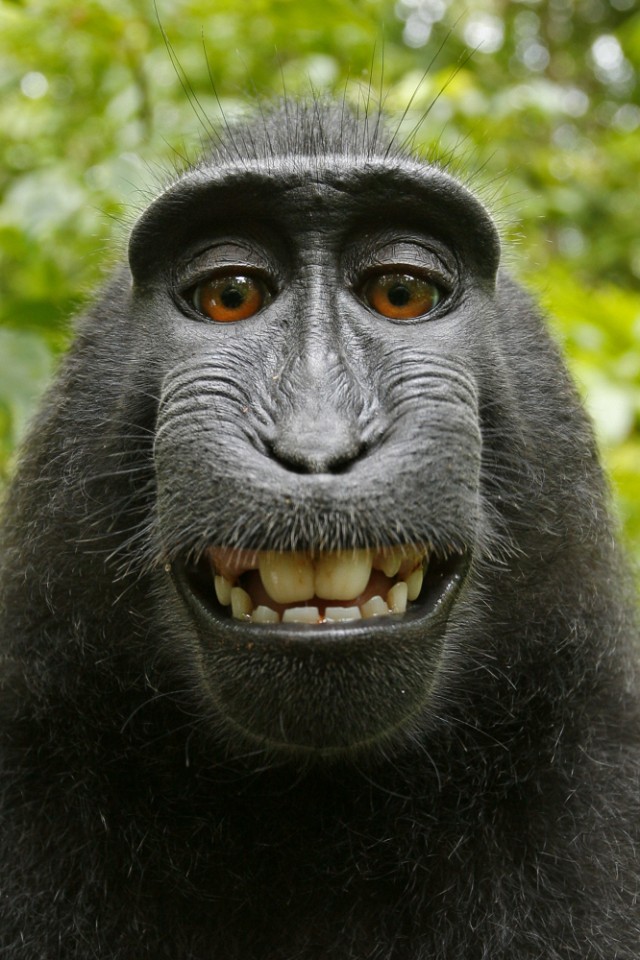
In a culture that’s obsessed with taking pictures and showing our presence in places, a lot of tourists in Yellowstone (and other national parks) have risked their lives in order to “take a selfie with a bison” or other animals.  When you try and get close to a bison or a deer, you stress them out and they attack you. So why do you want to take pictures with a wild animal?The word why is screaming in my head.  I have a theory as to why. It’s the same reason why people pay to take pictures with wild animals in zoos and it’s the same reason people climb dangerous hills to take a picture of themselves with a stunning view.

We want to be part of nature and in some cases safe nature.
Safe nature is what I call Nature that is beautiful and marvelous but won’t harm us for our stupidity. Take zoos and parks for example. They charge a lot of money for a chance to take pictures with wolves, tigers, bears etc. These are dangerous animals and often elusive and having a picture with one shows that you care. It shows that you are a part of nature and makes you stand out from the norm of Facebook/Twitter/social media profile pictures. 

Through my experience working with captive wolves, I’ve come to identify two kinds of people that are interested in them. The first group are the genuine wolf lovers. They are more interested in the wolf than they actually are about taking pictures. They will interact with the wolf, observe it and to them just touching the wolf and being there is a great honor. The second group is the vanity lovers. These people may love the wolf but love what it represents and how their love of wolves will appear to the rest of the world. They care less about the animals and more about being positioned next to them, getting a picture interacting with them and so forth.  The line is very thin.

Unfortunately vanity lovers aren’t only present in zoos and this is where the main problem occurs. In zoos, the captive animals are under some sort of control. But in the wild an animal that attacks humans is very likely to be put down, removed from the wild and transferred to a zoo or even become so upset that it’s vulnerable to predation. Several studies have suggested that our presence in national parks and in the ocean wildlife watching has a significant impact on the animals as it stresses them out, reduces their physical condition and often cause miscarriage and alteration in behavior.  
But it’s all worth it for the selfie right? Well no. Not only are they potentially harming themselves and the animal but are also setting precedent for others to act on. While one tourist can get away with a selfie or a video interacting with wildlife, others may not be so lucky. Don’t just consider attacks. Even small animals like squirrels may be harmful as they may carry diseases that could be contracted by tourists who interact with them.

So here is a simple idea, leave the selfies alone. Put your phone down and enjoy nature for what it is. If you happen to be lucky enough to have a unique encounter with wildlife, cherish it for what it is and don’t try and take pictures with yourself in it.


If you want to take pictures of wildlife make sure you do it from a safe distance, following protocol set in place(bear spray, particular distance etc) and be responsible. Wildlife and nature aren’t there for your enjoyment and you should feel grateful to be in their presence. Otherwise visit a zoo. That’s what they are there for.